Uncomfortable office chairs can be a daily source of frustration, impacting productivity and well-being. If you’ve ever wondered why your office chair might be uncomfortable, understanding common fit issues can be enlightening. This guide explores how individual body measurements and proportions affect office chair comfort and what you can do to customize your chair for optimal support.
What Causes Office Chair Discomfort?
Several factors can contribute to the discomfort experienced while sitting in an office chair. Key among them are mismatches between the chair’s dimensions and the user’s body measurements. An ergonomic office chair should cater to various body types through adjustable features, but often these features are underutilized or misunderstood.
Key Factors Leading to Discomfort
- Seat Height: The wrong seat height can cause leg discomfort. Feet should rest flat on the floor, with thighs parallel to the ground.
- Seat Depth: A seat that’s too deep or too shallow can lead to back pain. The seat should support most of the thighs without pressing against the back of the knees.
- Backrest Support: Proper lumbar support is essential to maintaining the natural curve of the spine.
Understanding these factors can help identify why a chair might feel uncomfortable and guide you toward solutions.
How Do Body Measurements Affect Chair Fit?
Office chairs are not one-size-fits-all. Your personal body measurements significantly impact how comfortable a chair will be for you. Knowing how these dimensions interact with chair features is crucial.
Important Body Measurements
- Height: A taller person may require a high-back office chair and a higher seat height.
- Weight: Consider the office chair weight capacity to ensure stability and safety.
- Leg Length: Influences the necessary seat height and depth adjustments.
- Torso Length: Affects backrest height and lumbar support positioning.
Awareness of these measurements can enhance your ability to select an office chair that provides personalized comfort.
What Features Should You Look for in an Ergonomic Chair?
Choosing the right ergonomic office chair involves more than just selecting an appealing design. It requires an understanding of the features that cater to your individual needs.
Essential Ergonomic Features
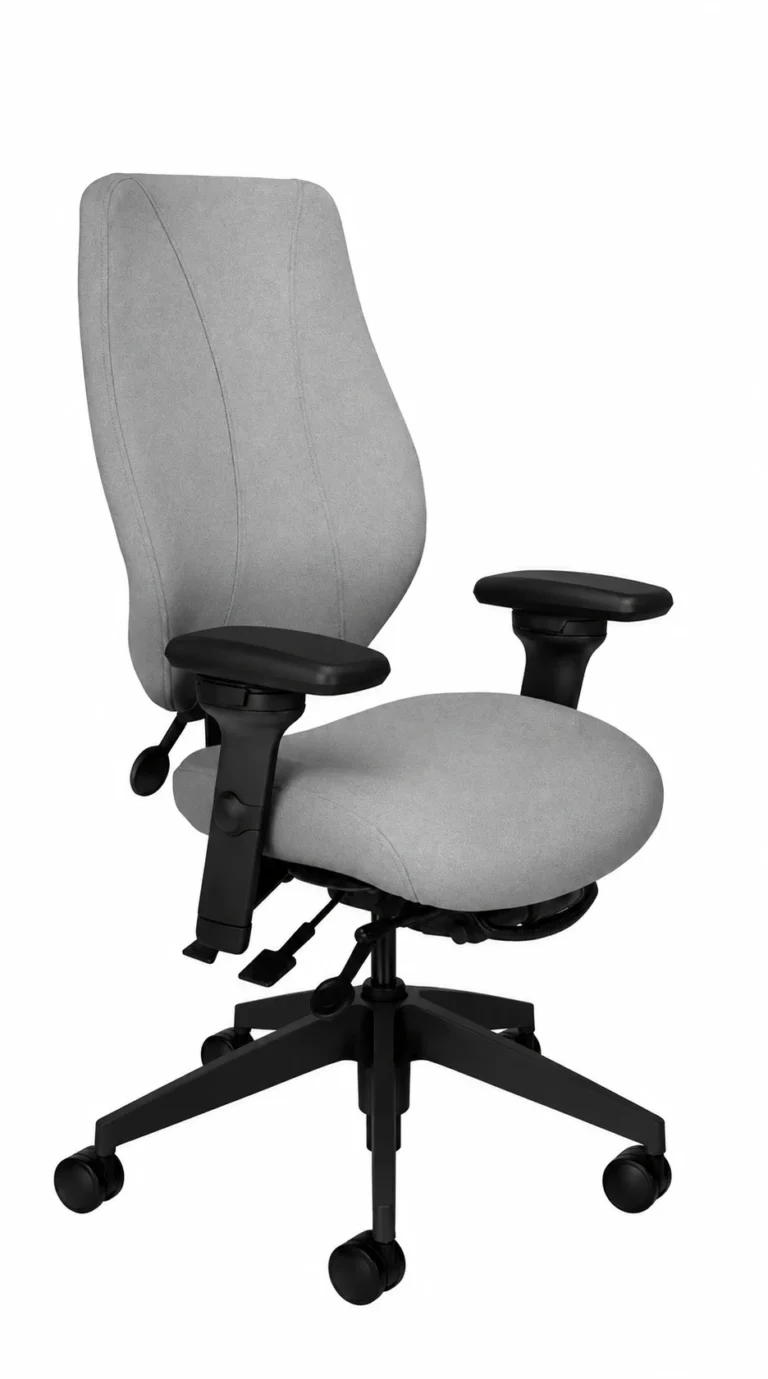
- Adjustable Seat Height: Allows customization based on your leg length and desk height.
- Seat Depth Adjustment: Ensures that the seat supports your thighs properly without cutting off circulation.
- Lumbar Support: Adjustable lumbar support maintains the spine’s natural curve.
- Adjustable Armrests: Proper armrest height and width reduce shoulder strain.
- Recline Function: Supports dynamic sitting and relieves spinal pressure.
ActErgo offers a range of ergonomic office chairs designed to accommodate these adjustments, providing both comfort and support for diverse body types.
How to Address Fit Issues for Different Body Types
The best office chair for all-day sitting should suit your body type and work style. Customizing chair adjustments can significantly alleviate discomfort and enhance productivity.
Tailoring to Specific Needs
- Petite Users: Look for a petite office chair with a narrower seat width and lower seat height.
- Big and Tall Users: A big and tall office chair offers higher weight capacity and extended seat depth.
- Short Users: An office chair for short person should have a low seat height and adjustable armrests.
- Tall Users: An office chair for tall person should provide high-back support and greater seat depth.
Active Ergonomics® provides detailed resources to help you choose the right office chair for your body size. Visit this guide to learn more.
Why Is My Office Chair Uncomfortable After a Few Hours?
Even if a chair feels comfortable initially, prolonged sitting can reveal fit issues. This discomfort often arises from improper adjustments or a mismatch in chair design and personal dimensions.
Common Long-Term Discomfort Causes
- Static Posture: Remaining in one position reduces circulation and increases fatigue.
- Inadequate Support: Lack of proper lumbar support leads to slouching and back pain.
- Poor Adjustment: Misalignment of seat and desk height can cause strain.
For more insights on why your office chair might become uncomfortable over time, explore this article.
How Can Active Ergonomics® Help You Find the Right Chair?
Active Ergonomics® specializes in providing solutions that fit diverse needs. With a wide array of ergonomic office chairs, laboratory seating, and healthcare furniture, we ensure that every user can find comfort aligned with their unique body dimensions.
Explore Our Product Range
Contact Active Ergonomics® today to explore solutions tailored to your specific requirements and ensure a comfortable, productive workspace.
Conclusion
Finding the right office chair involves understanding how body measurements and chair features interact. By tailoring your chair settings and selecting appropriate features, you can alleviate discomfort and enhance workplace ergonomics. Visit Active Ergonomics® to explore our range of products and find the perfect fit for your needs. Whether you’re an individual or an organization, our expertise ensures that your choice supports both comfort and productivity.