Introduction: Understanding the Choice Between Electric and Manual Sit-to-Stand Desks
Choosing the right sit-to-stand desk is a critical decision for both home and office environments. As ergonomic workspaces become increasingly popular, understanding the differences between electric and manual height-adjustable desks is vital. In this article, we’ll delve into a detailed comparison focusing on long-term cost-effectiveness and maintenance requirements to help you make an informed decision.
What Are Sit-to-Stand Desks?
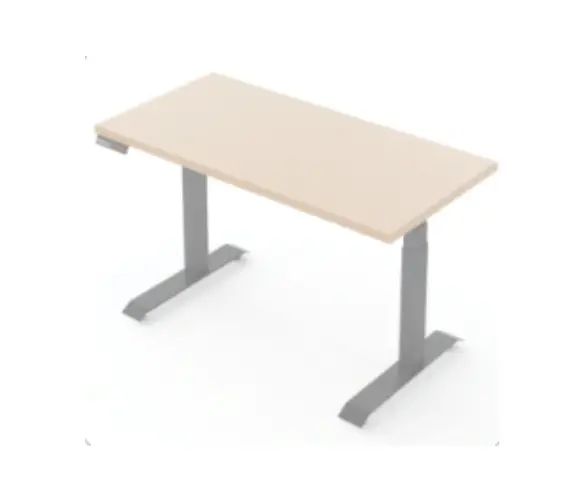
Sit-to-stand desks, also known as height-adjustable desks, allow users to switch between sitting and standing positions throughout the workday. This functionality supports better posture and reduces the risks associated with prolonged sitting. Available in both electric and manual options, these desks cater to different needs and budgets.
- Electric Height-Adjustable Desks: These desks feature motorized components that adjust the height at the push of a button, offering convenience and precision.
- Manual Height-Adjustable Desks: Typically operated with a hand-crank or gas spring mechanism, these desks require manual effort to adjust the height.
Long-Term Cost-Effectiveness: Electric vs. Manual
When evaluating long-term cost-effectiveness, it’s essential to consider initial investment, energy consumption, and potential repairs. Electric desks tend to have a higher upfront cost due to their motorized parts, while manual desks are generally more affordable. Over time, the cost of electricity to operate an electric desk can add up, though it’s usually minimal compared to the convenience offered.
Initial Costs
Electric desks often require a larger initial investment, which can be a significant consideration for budget-conscious buyers. In contrast, manual desks are typically cheaper at the point of purchase, making them appealing for those looking to save on initial costs.
Energy Consumption
While electric desks consume a small amount of electricity, the cost is often negligible. However, for environmentally conscious buyers or those with energy usage concerns, this might be a factor to consider.
Repair and Maintenance
Electric desks may incur higher maintenance costs over time due to the complexity of their motorized systems, which can be prone to malfunction. Manual desks, with fewer moving parts, generally require less maintenance, potentially reducing long-term costs.
Maintenance Requirements: A Detailed Comparison
Maintenance is a crucial consideration for any piece of office furniture, impacting both usability and longevity. Electric desks require regular checks to ensure that motors and electronic components are functioning correctly. This might involve professional servicing, adding to maintenance costs.
Electric Desk Maintenance
- Motor and Electronics: Regular inspections and possible repairs of motor components.
- Software Updates: Some models come with smart features requiring software updates.
- Lubrication: Moving parts may need occasional lubrication to prevent wear.
Manual Desk Maintenance
- Mechanical Parts: Less frequent maintenance needed compared to electric desks.
- Ease of Repair: Simpler mechanisms often mean easier and cheaper repairs.
- Longevity: Typically longer-lasting due to fewer components that can fail.
Usability and Ergonomics: Which Offers Better Flexibility?
The usability and ergonomic benefits of a sit-to-stand desk are primarily determined by how easily and frequently a user can change desk height. Electric desks offer seamless adjustments with minimal effort, making them suitable for environments where frequent height changes are necessary, such as shared workstations.
Electric Desk Benefits
- Ease of Use: Simple button controls make height adjustments quick and effortless.
- Precision: Allows for precise height settings, accommodating users of various heights and preferences.
Manual Desk Benefits
- Physical Effort: Requires manual effort, which might be less convenient for frequent changes.
- Sturdiness: Generally robust and less prone to shaking, offering a stable work surface.
Environmental Considerations: Energy and Sustainability
For organizations and individuals prioritizing sustainability, the environmental impact of their office furniture is a key factor. Manual desks typically have a lower environmental footprint since they don’t require electricity. However, some electric desks are designed with energy efficiency in mind, featuring low standby power consumption and sustainable materials.
- Manual Desks: Lower energy consumption, appealing to eco-conscious buyers.
- Electric Desks: Some models offer energy-efficient features and sustainable material options.
Conclusion: Choosing the Right Sit-to-Stand Desk for Your Needs
Deciding between an electric and manual sit-to-stand desk involves weighing initial costs, long-term maintenance, usability, and environmental impact. Electric desks offer convenience and precision, ideal for high-use environments, while manual desks provide a cost-effective, low-maintenance alternative. For personalized advice and to explore a range of height-adjustable desks, visit Active Ergonomics®’s recommended solutions or read more on our blog. Let us help you find the perfect fit for your ergonomic needs.