For those who spend long hours in front of a desk, the importance of an ergonomic office chair cannot be overstated. Choosing the right chair is crucial to maintaining comfort and promoting health throughout the workday. However, with a plethora of options available, selecting the best ergonomic office chair can be daunting. This guide will help you navigate the essential adjustable features that enhance comfort and support during all-day sitting.
Understanding Ergonomic Chair Adjustability
An ergonomic office chair is not just about looks or brand reputation; it’s about adjustability. The right adjustments can significantly impact how comfortable and supportive a chair is. Understanding these features is the first step in making an informed purchase.
Seat Height Adjustment
The seat height of an office chair is one of the most critical adjustments to consider. Ideally, your feet should rest flat on the floor, and your knees should be at a 90-degree angle. Look for chairs with a wide office chair height range to accommodate different body heights. A pneumatic adjustment lever is a common feature that allows for easy seat height changes.
Seat Depth Adjustment
Seat depth refers to the distance from the back of the seat to the front edge. A deep seat office chair can lead to poor posture if it doesn’t match your leg length. The ideal seat depth should allow 2-4 inches between the edge of the seat and the back of your knees. This feature is especially important for petite office chair users, as well as those who need an office chair for tall person.
Importance of Lumbar Support
The lumbar region of your spine naturally curves inward, and proper support in this area is critical to prevent back pain. An ergonomic chair should offer adjustable lumbar support, ensuring that the support can be positioned to match the natural curve of your spine. Some chairs offer a firm lumbar support, while others provide a more cushioned feel. Understanding these differences can help you choose the right office chair lumbar support for all-day sitting.
Adjustable Armrests
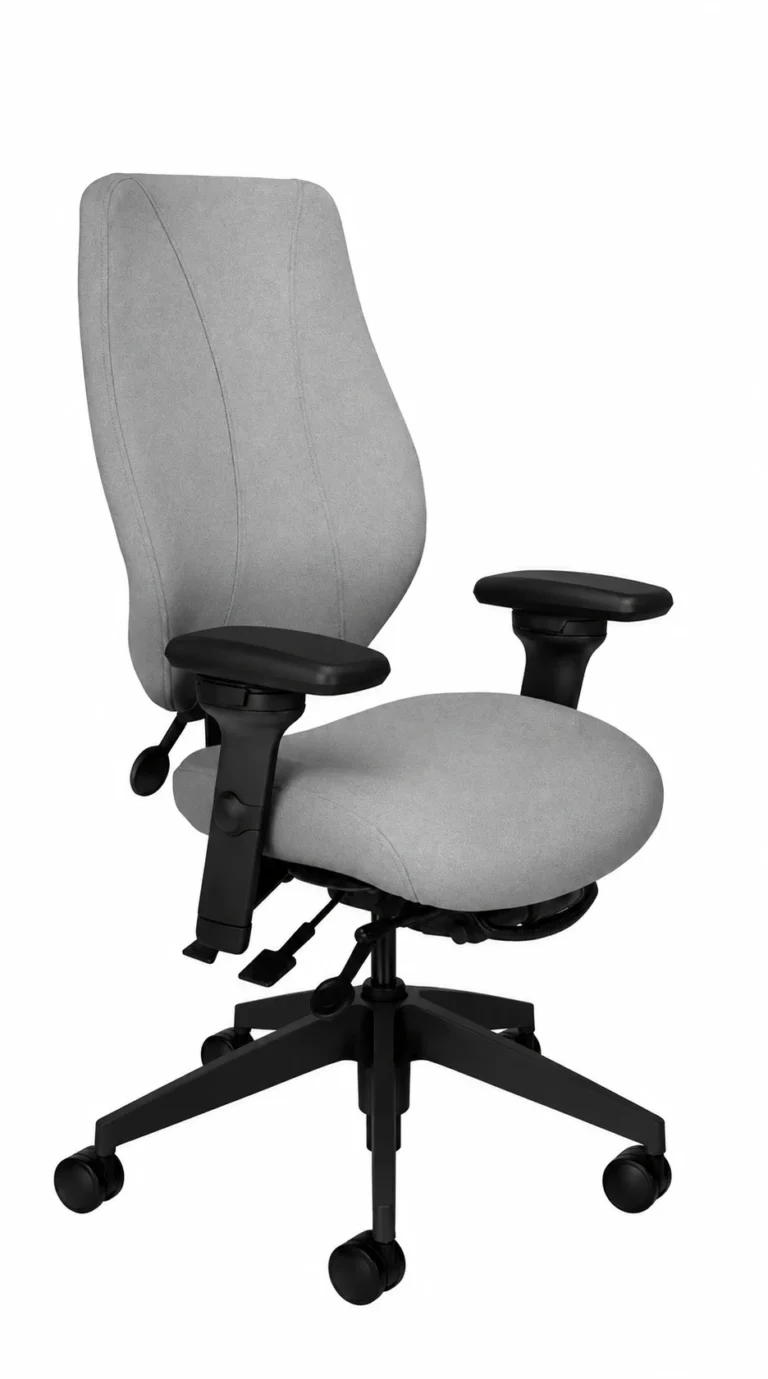
Armrests that are too high or too low can lead to shoulder and neck strain. Adjustable armrests allow you to maintain a relaxed shoulder position, minimizing tension. Look for chairs with armrests that can be adjusted for height and width to fit your body perfectly. This feature is particularly crucial for office chair for different body types.
Recline and Tilt Mechanisms
The ability to recline in your chair can enhance comfort by reducing pressure on your spine. A good ergonomic chair will allow you to adjust the tension of the recline, enabling a smooth and controlled motion. Whether you prefer a high-back office chair or a mid-back office chair, ensure that the recline mechanism supports your preferred posture.
Recline Tension Adjustment
Recline tension adjustment is a feature that allows you to control how easy or difficult it is to recline in your chair. This is important because too little tension might cause the chair to fall back too easily, while too much tension can make reclining uncomfortable. This feature is vital for creating a personalized sitting experience.
Material Considerations: Mesh vs. Upholstered Chairs
Choosing between a mesh office chair and an upholstered office chair depends largely on personal preference and the specific needs of your environment. Mesh chairs offer breathability, making them a great choice for warmer environments. On the other hand, upholstered chairs provide a more classic look and can offer additional cushioning. Consider your workspace and personal comfort preferences when making this decision.
Breathability and Comfort
Mesh chairs are known for their breathability, which can help keep you cool throughout the day. Conversely, upholstered chairs can offer more padding and are often chosen for their aesthetic appeal and comfort in cooler environments. Both options have their pros and cons, so consider what aligns best with your daily needs and office climate.
Weight Capacity and Chair Durability
When selecting an office chair, it’s crucial to consider its weight capacity to ensure it can safely support the intended user. Weight capacity is not synonymous with proper fit but is essential for durability. A heavy-duty office chair, such as a 500 lb office chair, is designed for larger individuals or those who need a more robust chair. Always check the manufacturer’s specifications to ensure the chair meets your needs.
Durability and Warranty
Durability is closely tied to the materials used in the chair’s construction and the quality of its build. A chair with a solid warranty indicates confidence in its durability. Look for chairs that use high-quality materials and offer a warranty that covers key components for multiple years. This is particularly important for big and tall office chairs, which endure more stress.
Choosing the Right Size: Office Chair Dimensions
Ensuring that your office chair fits your body size is crucial for comfort and ergonomics. Considerations such as office chair seat width and office chair seat depth can greatly affect how well a chair fits. An office chair for a large person will differ significantly in dimensions from a petite office chair. Active Ergonomics® offers guidance on choosing the right office chair for your body size.
Chair Dimensions and Fit
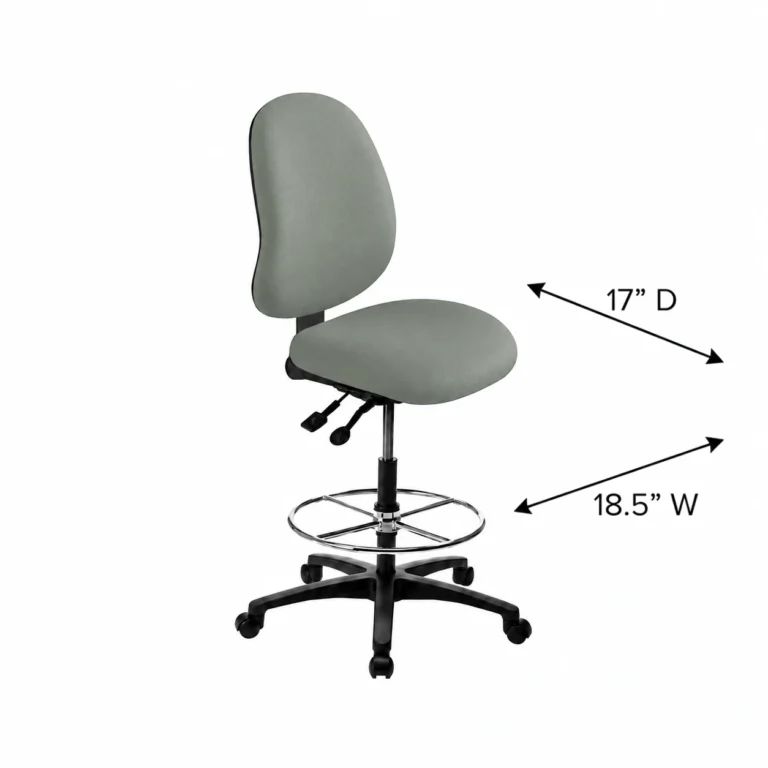
The seat width should provide enough space for comfortable seating without being too wide, which can reduce support. The seat depth should allow for proper back support while maintaining circulation in your legs. Ensuring the chair dimensions align with your body size can prevent discomfort and enhance your sitting experience.
For further insights on selecting the perfect chair, explore our guide on what makes an office chair truly ergonomic.
Conclusion
Choosing the right ergonomic office chair for all-day sitting involves understanding various adjustable features and ensuring they align with your personal needs. From seat height and depth to lumbar support and material choice, each element plays a role in your comfort and productivity. For personalized assistance in selecting the perfect chair for your workspace, explore the ergonomic solutions offered by Active Ergonomics® or contact us for expert advice. Enhance your office experience with a chair that supports your work and wellbeing.