When it comes to creating a comfortable and productive workspace, the design and dimensions of an office chair play a crucial role. One often overlooked yet vital aspect is the seat depth of an office chair. The depth of the seat can significantly affect comfort and support, particularly when considering the diverse body types of users. Understanding the importance of seat depth and selecting the right one can enhance comfort and productivity in any setting, from home offices to corporate environments.
Why Does Office Chair Seat Depth Matter?
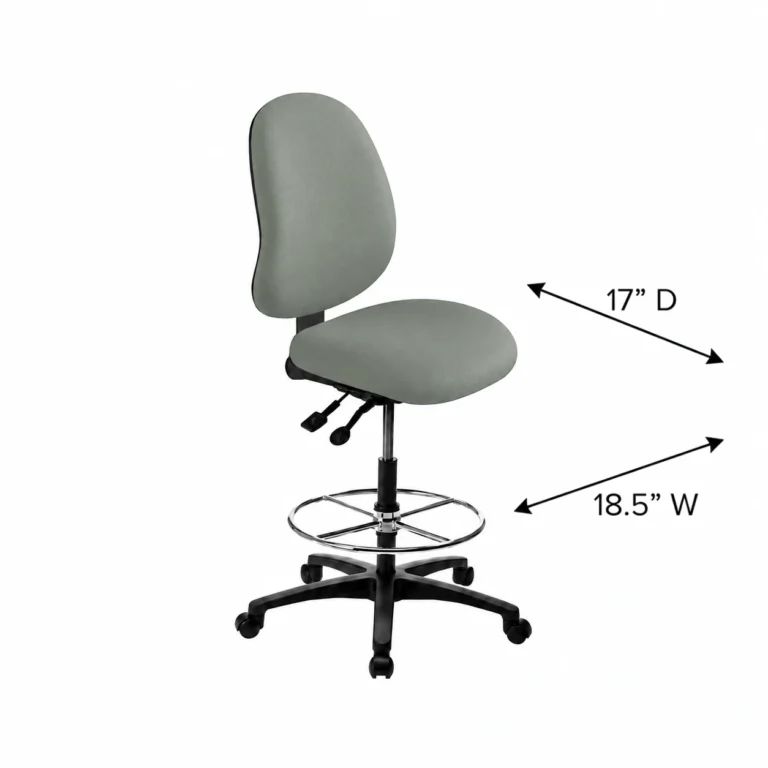
Seat depth refers to the distance from the front edge of the chair to the backrest. This dimension is crucial because it determines how much support your thighs receive and how much pressure is placed on the back of your legs. A seat that is too deep can cause pressure on the back of the knees, leading to discomfort and even circulation problems. Conversely, a shallow seat may not provide enough support for those with longer legs, resulting in inadequate back support and slouching.
- Ergonomic alignment: Proper seat depth ensures that the user can sit back against the backrest, promoting better spinal alignment and reducing strain on the back muscles.
- Pressure distribution: Adequate seat depth allows for even distribution of weight, minimizing pressure points and discomfort.
- Circulation: Correct seat depth helps prevent the seat edge from cutting into the thighs, thereby improving blood flow and reducing the risk of numbness or tingling.
Understanding the Correlation Between Seat Depth and Body Types
People come in all shapes and sizes, and so should office chairs. Understanding how seat depth correlates with individual body types is essential for choosing the right chair. For instance, individuals with longer legs require deeper seats to ensure their thighs are fully supported. In contrast, those with shorter legs benefit from shallower seats to prevent the front edge from cutting into their calves.
Considerations for Different Body Types
- Shorter individuals: Should look for a small or petite office chair with a shorter seat depth, typically between 15-17 inches.
- Taller individuals: May need a large or XL office chair with a deeper seat, often ranging from 18-20 inches or more.
- Big and tall users: Should consider chairs specifically designed for their needs, ensuring both seat depth and width accommodate their size.
Active Ergonomics® offers a range of chairs designed for different body types, ensuring that every user finds a chair that fits them perfectly.
How to Measure and Adjust Seat Depth
To ensure that an office chair fits properly, it is important to know how to measure and adjust seat depth. Many ergonomic office chairs come with adjustable seat depth, allowing users to customize their fit. Here’s how to do it:
- Measure your leg length: Sit with your back against the backrest and your feet flat on the floor. Measure from the back of your knee to the end of your thigh.
- Adjust the seat depth: If your chair has an adjustable seat pan, slide it forward or backward until there is approximately a two-finger gap between the edge of the seat and the back of your knee.
- Test the fit: Ensure your back is supported by the backrest and your thighs are parallel to the floor.
For more detailed guidance on adjusting your chair, refer to our chair adjustment guide.
Key Features to Look for in an Ergonomic Office Chair
When shopping for an ergonomic office chair, several features can enhance comfort and support, particularly in relation to seat depth:
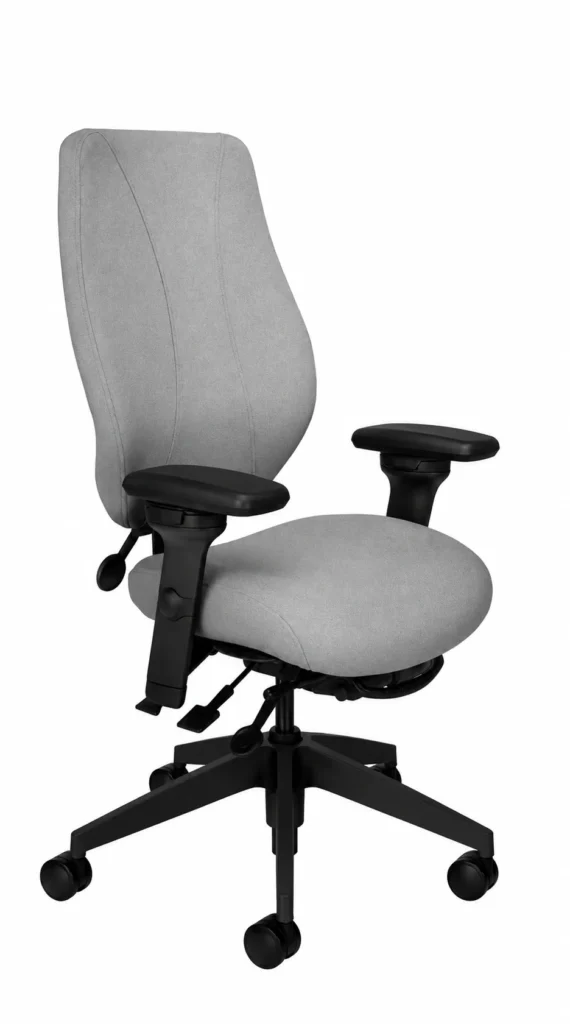
- Adjustable seat depth: Allows customization of the chair to fit individual leg lengths.
- Adjustable armrests: Help maintain proper posture by supporting the arms and reducing shoulder strain.
- Lumbar support: Essential for maintaining the natural curve of the spine and preventing slouching.
- Recline function: Offers flexibility in posture, which can relieve pressure on the spine during long hours of sitting.
- Weight capacity: Ensure the chair can support the user’s weight without compromising durability.
Active Ergonomics® provides a comprehensive range of ergonomic office chairs designed to meet various needs and preferences.
Common Mistakes When Choosing Office Chair Seat Depth
Choosing the right office chair can be challenging, and mistakes in selecting seat depth are common. Here are some pitfalls to avoid:
- Ignoring seat depth: Overlooking this dimension can lead to discomfort and reduced productivity.
- Assuming one size fits all: Not all chairs suit every body type; consider adjustable features to accommodate different users.
- Choosing style over function: Aesthetics are important, but they should not compromise ergonomic features.
For more information on avoiding these common errors, visit our guide on choosing the right office chair.
Conclusion
Office chair seat depth is a critical factor in ensuring comfort and support for all users. By understanding the correlation between seat depth and body types, and by selecting chairs with appropriate adjustments, you can enhance your work environment significantly. Whether you’re outfitting a home office or a corporate space, look to Active Ergonomics® for a wide selection of ergonomic solutions tailored to fit every need. Explore our range of products today and find the perfect fit for your workspace.