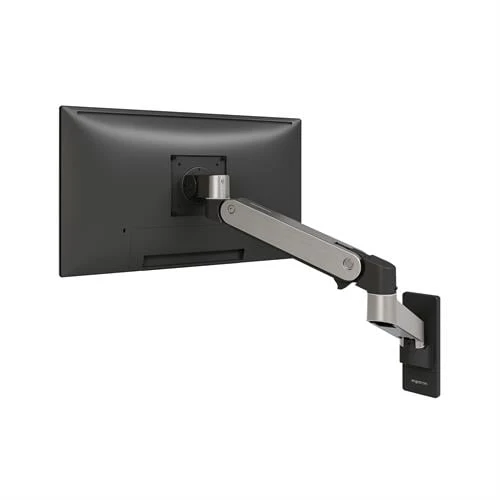
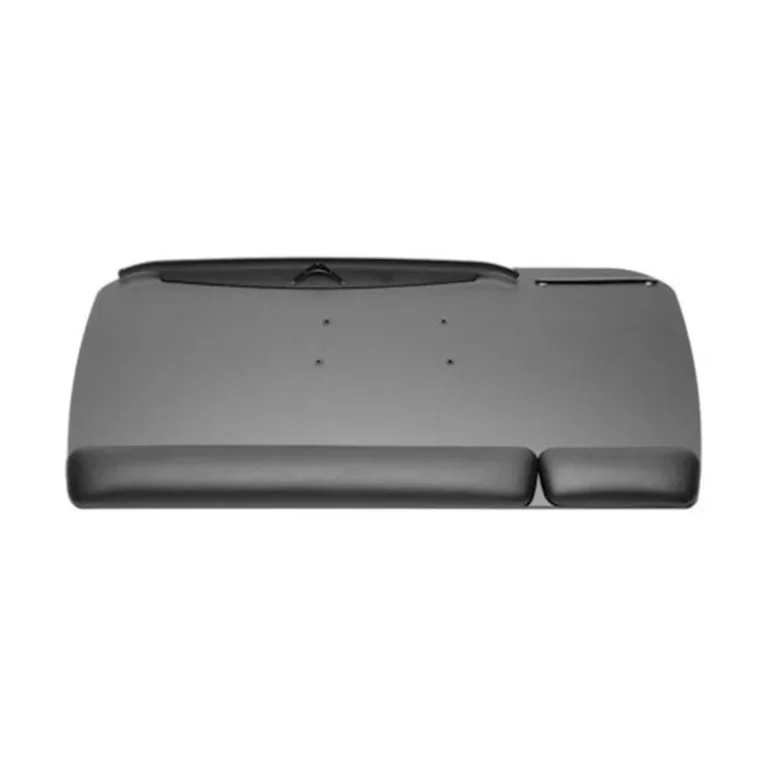
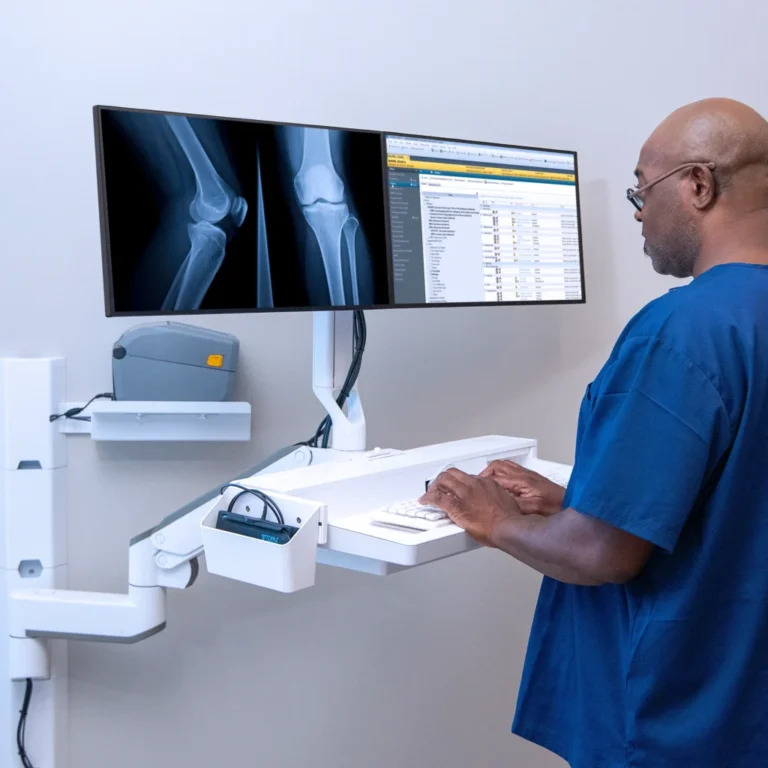
In the world of cleanrooms and controlled environments, selecting the right furniture is crucial for maintaining hygiene and compliance. The materials used in cleanroom furniture play a pivotal role in ensuring that the environment remains contaminant-free while also being easy to maintain. This guide will explore the impact of material properties on cleanroom compliance and maintenance, helping you make informed decisions when choosing furniture for these specialized settings.
Why Material Choice Matters in Cleanroom Furniture
Cleanrooms are designed to minimize particulate contamination and control environmental parameters such as temperature, humidity, and pressure. The furniture within these spaces must support these goals by being made from materials that are easy to clean, non-particle shedding, and resistant to chemicals. Choosing the wrong materials can compromise the cleanroom’s integrity, leading to increased contamination risks and maintenance challenges.
Key factors to consider include:
- Non-Shedding Properties: Materials should not release particles that could contaminate the cleanroom environment.
- Resistance to Chemicals: Furniture must withstand regular cleaning with harsh disinfectants without degrading.
- Durability: Frequent cleaning and use require materials that are robust and long-lasting.
Common Cleanroom Furniture Materials
Several materials are commonly used in cleanroom furniture due to their suitable properties. Understanding each material’s benefits and limitations can guide your selection process.
Stainless Steel
Stainless steel is a popular choice for cleanroom furniture due to its excellent durability and resistance to corrosion. It is non-porous, making it easy to clean and sanitize, and it does not shed particles. Active Ergonomics® offers several stainless steel products, such as the Stainless Steel Wall Mount Tool Box.
Plastic Laminates
Plastic laminates provide a cost-effective alternative to metal while offering a smooth, easy-to-clean surface. However, they may be less durable than stainless steel and can degrade with exposure to certain chemicals over time.
Phenolic Resin
Phenolic resin is known for its chemical resistance and non-porous surface, making it ideal for work surfaces in cleanrooms. It is often used in areas where chemical exposure is frequent, such as laboratory benches.
Evaluating Cleanroom Compliance and Maintenance Needs
To ensure compliance and ease of maintenance, it is essential to evaluate the specific needs of your cleanroom environment. This includes understanding the classification of the cleanroom and its specific requirements.
Consider the following:
- Cleanroom Classification: Higher classification cleanrooms require stricter control over particulate contamination, influencing material selection.
- Frequency of Cleaning: Materials must withstand the frequency and type of cleaning practices used in your cleanroom.
- Type of Work Conducted: The nature of work, such as chemical handling or electronic manufacturing, affects material needs due to varying levels of exposure to chemicals or static electricity.
Designing for Ergonomics and Efficiency
Beyond material selection, the design of cleanroom furniture should also consider ergonomics and workspace efficiency. Ergonomically designed furniture can enhance productivity and reduce the risk of work-related injuries.
Features to look for include:
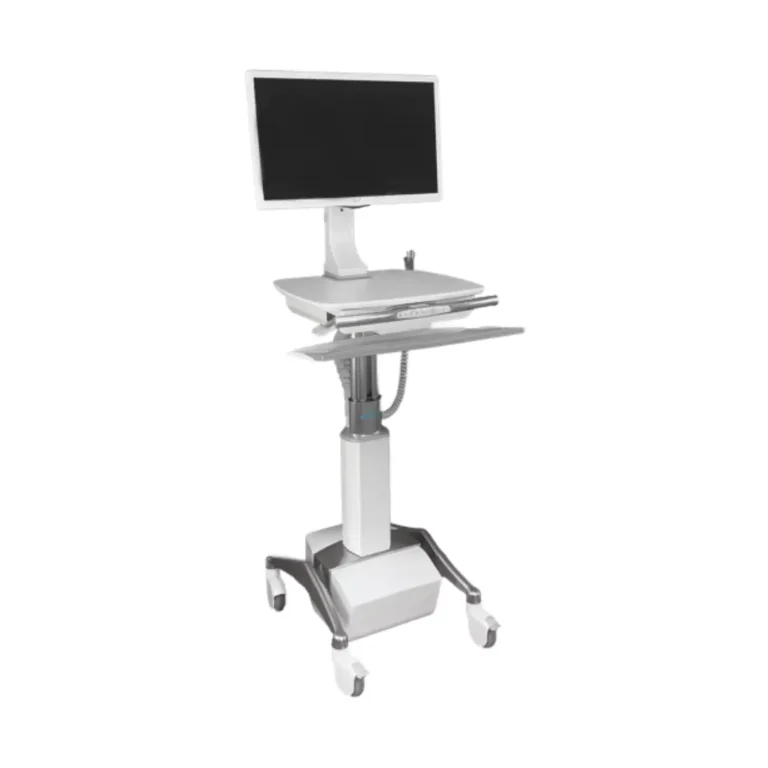
- Adjustable Height: Furniture like the Adjustable Height Laptop Cart allows for customization to suit different tasks and user preferences.
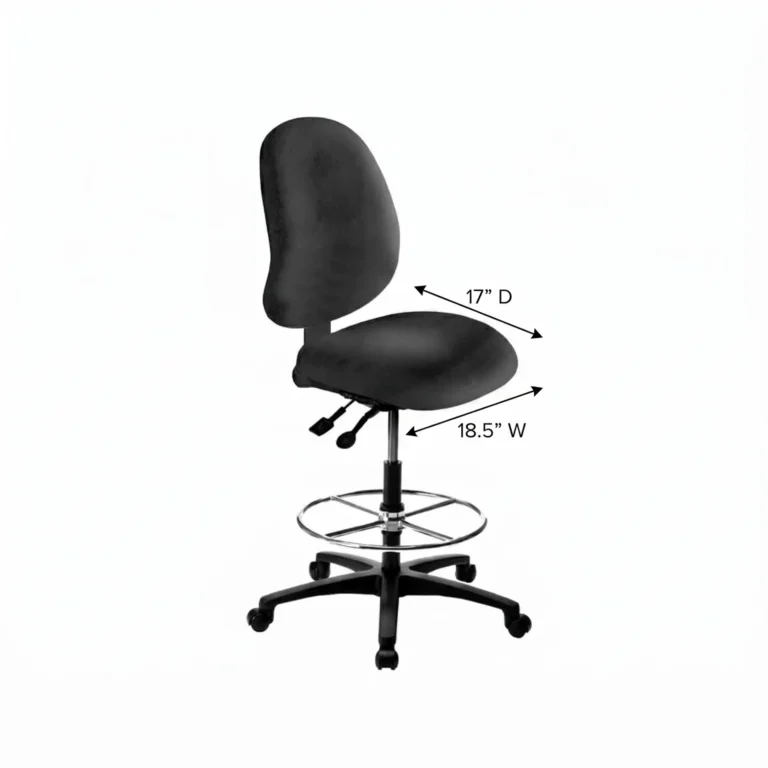
- Comfortable Seating: Ergonomic cleanroom chairs should offer adequate lumbar support and adjustable features to accommodate different body types.
- Efficient Layout: Furniture should be arranged to minimize unnecessary movement and optimize workflow within the cleanroom.
Installation and Space Considerations
Proper installation and space utilization are key to maintaining a functional and compliant cleanroom environment. Furniture should be installed in a way that maximizes available space while adhering to cleanroom protocols.
Tips for effective installation include:
- Ensure that furniture does not obstruct airflow or interfere with cleanroom systems.
- Utilize wall-mounted solutions, such as the Wall Mount Fold-Up Bench, to save floor space.
- Consider modular designs that can be easily reconfigured to adapt to changing needs.
Maintenance Best Practices for Cleanroom Furniture
Regular maintenance is crucial to ensure that cleanroom furniture remains in optimal condition and continues to support a contaminant-free environment. Proper cleaning protocols and routine inspections can extend the life of your furniture and maintain compliance.
Recommendations for maintenance include:
- Establish a cleaning schedule that aligns with cleanroom requirements and material specifications.
- Inspect furniture regularly for signs of wear, damage, or contamination.
- Use cleaning agents and methods that are compatible with the materials of your furniture.
Conclusion
Selecting the right materials for cleanroom furniture is essential for maintaining a hygienic and compliant environment. By understanding the properties and compatibility of different materials, you can make informed decisions that enhance both the functionality and longevity of your cleanroom setup. For more information on ergonomic solutions for cleanrooms, explore Active Ergonomics® cleanroom solutions or contact us for personalized product-selection assistance. Discover how our expertise can help optimize your cleanroom furniture choices.