In the evolving landscape of modern workplaces, the need for adaptable and hygienic office environments has become paramount. Modular ergonomic furniture stands at the forefront of this transformation, offering solutions that promote flexibility, social distancing, and hygiene in collaborative workspaces. Active Ergonomics® brings decades of expertise to understanding how modular designs can enhance both the physical comfort and health safety of office environments.
Why Modular Ergonomic Furniture Matters
The concept of modular ergonomic furniture is not only about creating a more comfortable workspace but also about ensuring that the office can adapt to changing needs. This adaptability is essential in maintaining productivity while addressing health concerns such as social distancing and hygiene.
Modular furniture allows for quick reconfiguration of office layouts, which is crucial in maintaining appropriate distances between employees. This flexibility helps organizations comply with health guidelines without sacrificing office efficiency or aesthetic appeal. Additionally, modular components are often designed for easy cleaning and sanitation, a vital feature in preventing the spread of germs.
Key Features of Modular Ergonomic Furniture
When selecting modular ergonomic furniture, several features are important to consider to ensure they meet both ergonomic and hygienic standards:
- Adjustable Components: Look for pieces like adjustable office chairs and sit-to-stand desks that allow users to modify their workspace to fit their body type and task requirements. This adaptability reduces strain and discomfort over long periods.
- Easy-to-Clean Surfaces: Materials used in modular furniture should be non-porous and easy to disinfect, ensuring a hygienic work environment. Stainless steel and certain plastics are popular choices.
- Interchangeable Parts: The ability to swap out components such as desk panels or chair backs enhances the longevity and versatility of the furniture, allowing for adjustments as needs change.
- Mobility: Furniture that is easy to move supports flexible office layouts. Caster wheels on chairs and desks facilitate quick reconfiguration without the need for heavy lifting.
Promoting Social Distancing with Modular Designs
One of the primary challenges in modern office environments is maintaining social distancing without compromising on collaboration. Modular ergonomic furniture offers several solutions to this challenge:
By utilizing movable partitions and privacy panels, offices can create temporary barriers between workstations that reduce close contact between employees. These partitions can be reconfigured to accommodate team meetings or collaborative sessions while ensuring that each participant has sufficient personal space.
Moreover, modular desks can be arranged into various configurations, such as staggered layouts, to increase the distance between workers. This layout flexibility helps maintain a dynamic yet safe workspace, particularly in open-plan offices.
Ensuring Hygiene in Collaborative Workspaces
Maintaining hygiene in shared workspaces is critical. Modular furniture plays a significant role in this aspect by incorporating designs that are easy to sanitize. Active Ergonomics® emphasizes the importance of selecting materials that withstand frequent cleaning without degrading.
For instance, mesh office chairs provide breathability and are often easier to clean compared to upholstered alternatives. Meanwhile, modular workstations with integrated cable management systems minimize clutter, making surfaces easier to disinfect.
Additionally, the use of antimicrobial finishes on high-touch surfaces like desktops and armrests can help reduce the spread of pathogens, providing an extra layer of protection in shared environments.
Choosing the Right Modular Ergonomic Furniture
Selecting the right modular ergonomic furniture involves understanding the specific needs of your workspace and workforce. Here are some tips to guide your decision:
- Assess Space Requirements: Measure your office space to determine the right size and configuration of modular furniture. Consider how pieces like height-adjustable desks and ergonomic chairs will fit within your layout.
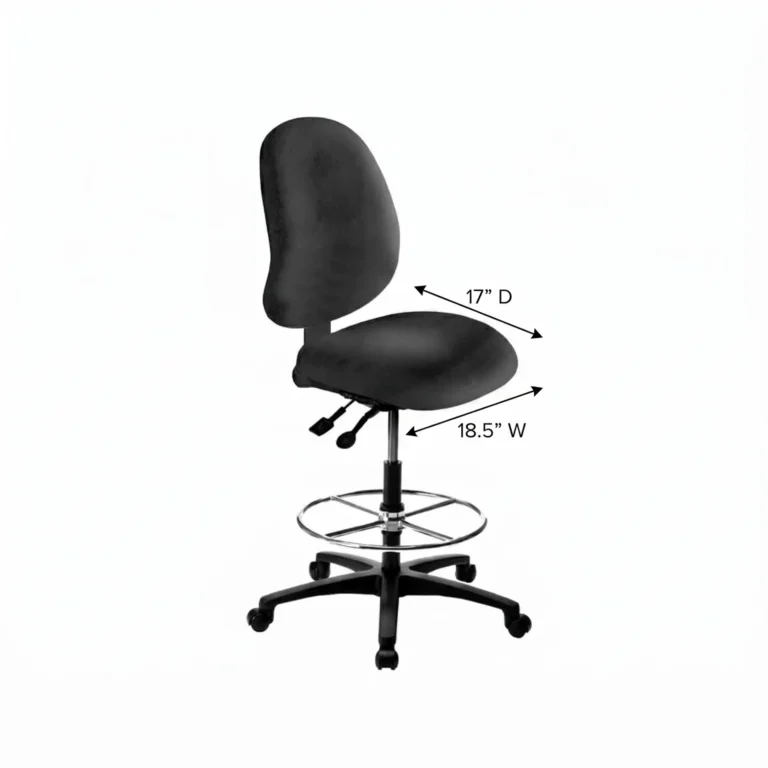
- Prioritize User Comfort: Choose office chairs and workstations that offer adjustable features such as lumbar support, seat depth, and armrest height. These adjustments ensure that furniture can accommodate various body types.
- Evaluate Material Durability: Opt for materials that are durable and can withstand frequent cleaning. Materials should also align with the aesthetic and functional needs of your workspace.
- Consider Future Flexibility: Modular furniture should be versatile enough to adapt to changes in office dynamics, whether that means scaling up, down, or reconfiguring for different tasks.
Integrating Technology with Modular Furniture
The integration of technology with modular ergonomic furniture enhances both functionality and user experience. Features like built-in power outlets and USB ports make it easier for employees to stay connected and productive without cluttering their workspace with external devices.
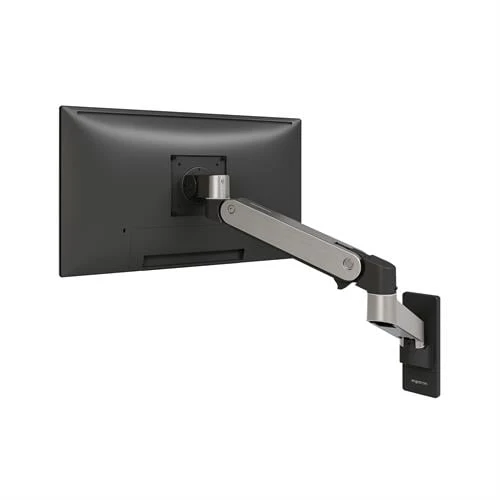
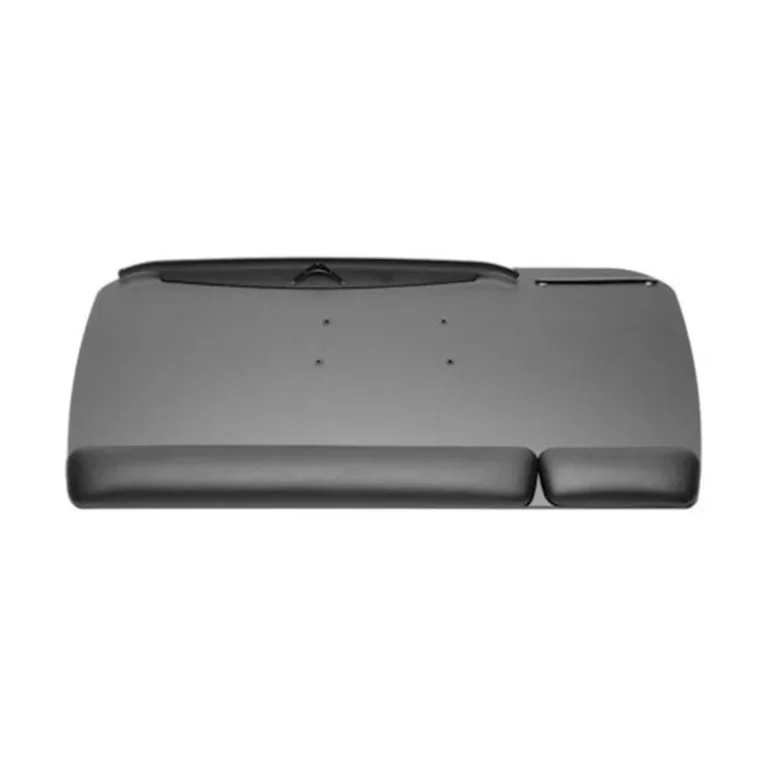
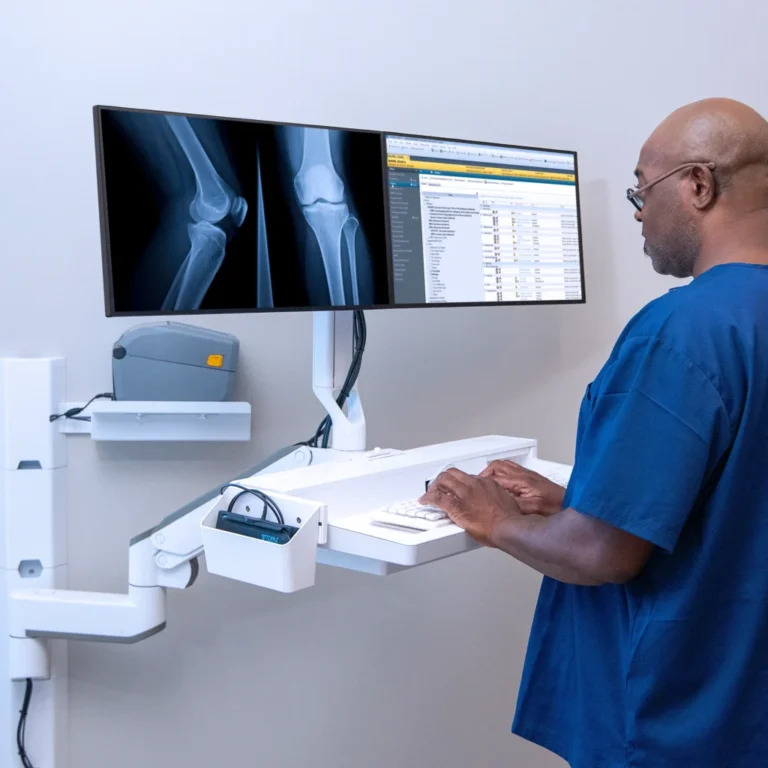
Monitor arms and keyboard trays can be incorporated into modular setups to support ergonomic computing positions. This integration not only improves posture but also allows for quick adjustments to accommodate different tasks or users, a key consideration in shared workspaces.
Active Ergonomics® offers solutions that seamlessly integrate technology with ergonomic design, ensuring that your workspace supports both health and productivity.
The Role of Modular Furniture in Specialized Environments
While modular ergonomic furniture is popular in traditional office settings, its benefits extend to specialized environments such as laboratories, healthcare facilities, and cleanrooms. In these settings, furniture must meet specific standards for hygiene and functionality.
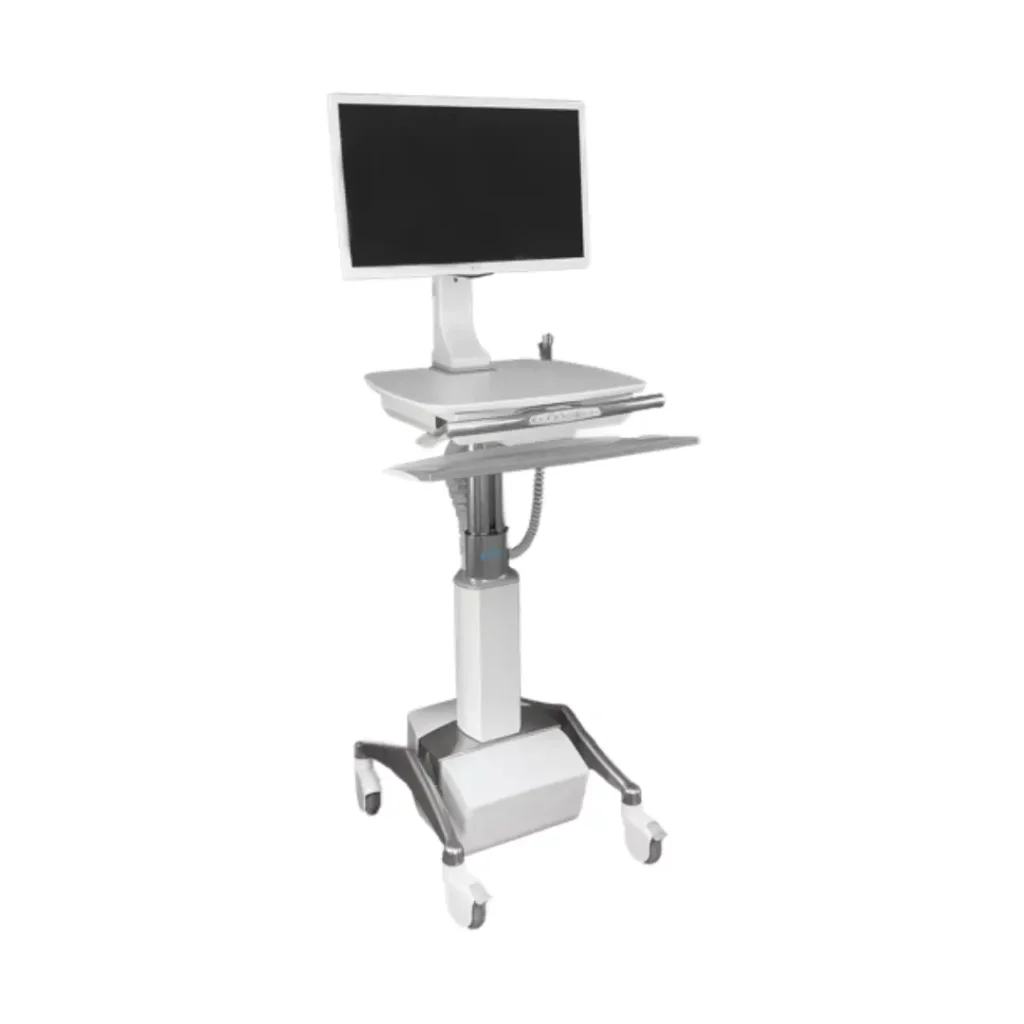
For laboratories, modular lab seating and workstations must accommodate precision tasks while maintaining easy cleanability. In healthcare settings, mobile medical carts and adjustable workstations enable healthcare providers to deliver care efficiently while adhering to strict hygiene protocols.
Active Ergonomics® provides tailored solutions for these environments, ensuring that the furniture not only meets ergonomic standards but also complies with industry-specific requirements.
In conclusion, modular ergonomic furniture is a vital component in adapting office layouts for flexibility and hygiene. By choosing the right features and configurations, businesses can create workspaces that support employee health and productivity. To explore the wide range of products offered by Active Ergonomics®, visit their ergonomic solutions page or contact their team for personalized assistance.