Introduction
Finding the right office chair can be a daunting task, especially for individuals who fall outside the average size spectrum. Petite and XL users often face unique ergonomic challenges that standard chairs fail to address. Adjustable office chairs provide a customizable seating solution that enhances comfort and productivity by addressing these specific needs. In this article, we will explore the benefits of adjustable office chairs for petite and XL users, focusing on features such as seat depth, height adjustment, and lumbar support.
Why Adjustable Office Chairs Matter
Office chairs are typically designed with the average user in mind, which can lead to discomfort and inefficiency for those who are either petite or XL. Adjustable office chairs offer a tailored experience that meets the ergonomic requirements of diverse body types. By allowing users to modify the chair’s dimensions and support features, these chairs can reduce the risk of discomfort and long-term health issues.
- Seat Height: Adjustable seat height ensures feet are flat on the ground, promoting circulation and reducing strain.
- Seat Depth: Proper seat depth prevents pressure on the back of the knees, supports thighs, and maintains proper spinal alignment.
- Weight Capacity: Weight capacity varies, with some chairs supporting up to 500 lbs, ensuring durability and safety for all users.
- Recline Features: Adjustable tilt and recline options allow users to shift positions easily, distributing weight evenly.
By personalizing these elements, adjustable office chairs accommodate the ergonomic needs of both petite and XL users, fostering a healthier and more productive work environment.
Ergonomic Features for Petite Users
Petite users often struggle with chairs that are too large, resulting in poor posture and discomfort. Adjustable office chairs are designed to address these issues by offering a range of ergonomic features specifically for smaller body types.
Seat Depth and Width
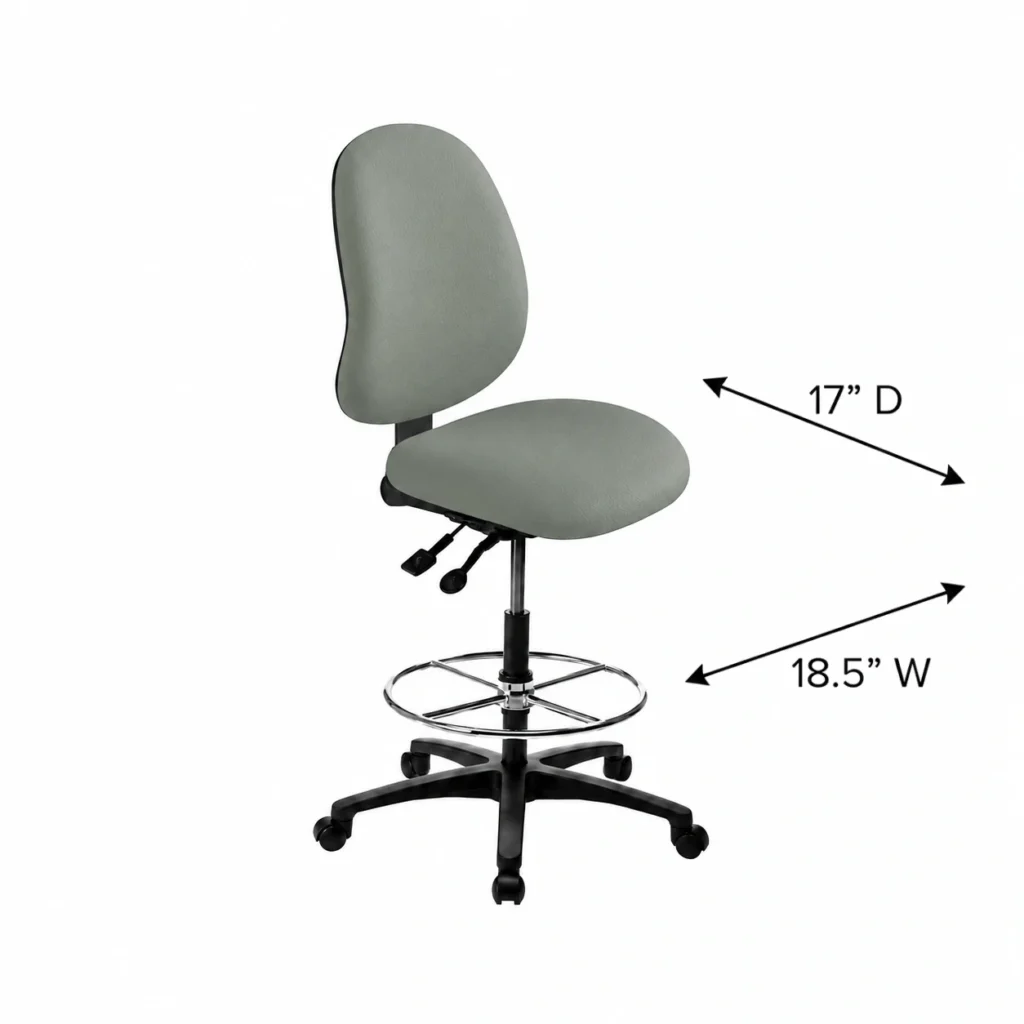
For petite users, a small office chair with a shallow seat depth is crucial. If the seat is too deep, it can cause circulation issues and force the user to sit forward, negating back support. Adjustable seat depth allows for a more personalized fit, ensuring that the user’s back remains supported by the backrest.
Height Adjustment
Height-adjustable chairs ensure that a petite user can maintain a 90-degree angle at the knees, with feet flat on the floor. This adjustment is vital to prevent strain on the legs and lower back.
Lumbar Support
Proper lumbar support is essential for maintaining the natural curve of the spine. Adjustable lumbar support can be positioned to meet the specific needs of petite users, providing comfort and reducing the risk of lower back pain.
Ergonomic Features for XL Users
XL users require chairs that can accommodate larger body dimensions while providing adequate support. Adjustable office chairs offer various ergonomic features that cater to these needs.
Seat Width and Depth
An XL office chair should have a wider and deeper seat to accommodate larger body types comfortably. Adjustable seat depth ensures that the chair supports the user’s thighs without restricting circulation.
Weight Capacity
For XL users, selecting a chair with a higher weight capacity is crucial for safety and durability. Many adjustable office chairs are designed to support up to 500 lbs, ensuring that they can withstand greater weight without compromising performance.
Backrest and Lumbar Support
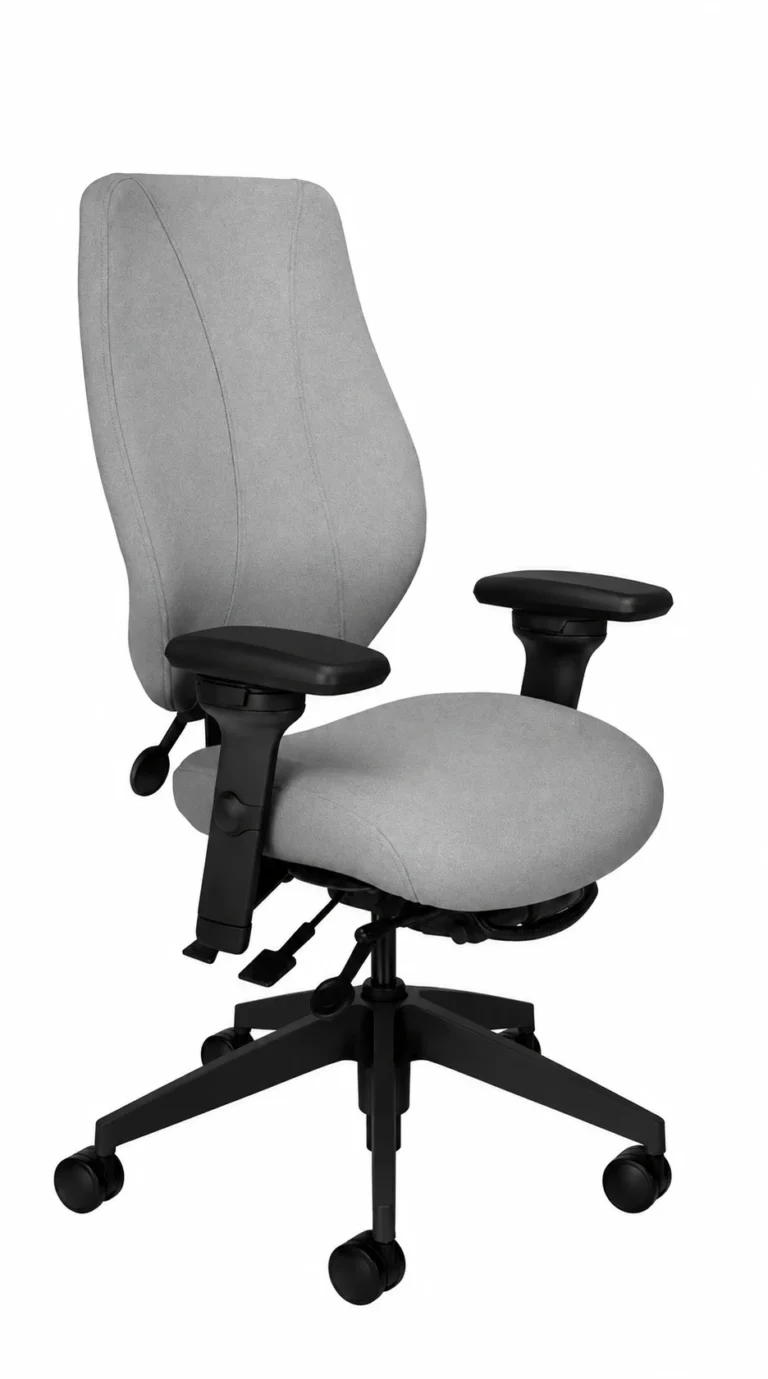
XL users benefit from a high-back office chair that offers comprehensive back support. Adjustable lumbar support is key, as it can be tailored to fit the user’s specific back curvature, promoting proper posture and reducing discomfort.
Additional Considerations for All Users
While seat depth, height, and lumbar support are critical, there are additional features to consider when selecting an adjustable office chair for either petite or XL users.
Armrests
Adjustable armrests play a significant role in reducing shoulder and neck strain. They should be height adjustable and ideally width adjustable to ensure that the user’s arms can rest comfortably while typing or using a mouse.
Material Choice
The material of the chair can influence comfort levels. A mesh office chair offers breathability and is often preferred for its ability to keep the user cool. An upholstered office chair, however, may provide additional cushioning and support.
Mobility and Base
Consider the chair’s base and mobility features. A sturdy base with smooth-rolling casters can enhance mobility and ease of movement within the workspace. This is particularly important for users who need to reach different areas of their desk frequently.
How to Choose the Right Adjustable Office Chair
When selecting an adjustable office chair, consider the individual’s specific needs and workspace requirements. Here are some tips to guide your decision:
- Measure the user’s height and weight to ensure the chair’s dimensions and weight capacity are appropriate.
- Test the chair’s adjustability features to confirm they meet the user’s ergonomic needs.
- Consider the workspace layout to ensure the chair fits comfortably without impeding movement.
- Explore different material options to match the user’s comfort preferences and environmental conditions.
By keeping these factors in mind, you can select an office chair that enhances both comfort and productivity for petite and XL users alike.
Conclusion
Adjustable office chairs offer a versatile solution for accommodating the diverse ergonomic needs of petite and XL users. By providing customizable features such as seat depth, height adjustment, and lumbar support, these chairs enhance comfort and promote better posture, ultimately boosting productivity. Explore Active Ergonomics® for a range of office chairs designed to fit any body type and workspace. Enhance your work environment today with a chair that supports your unique needs.